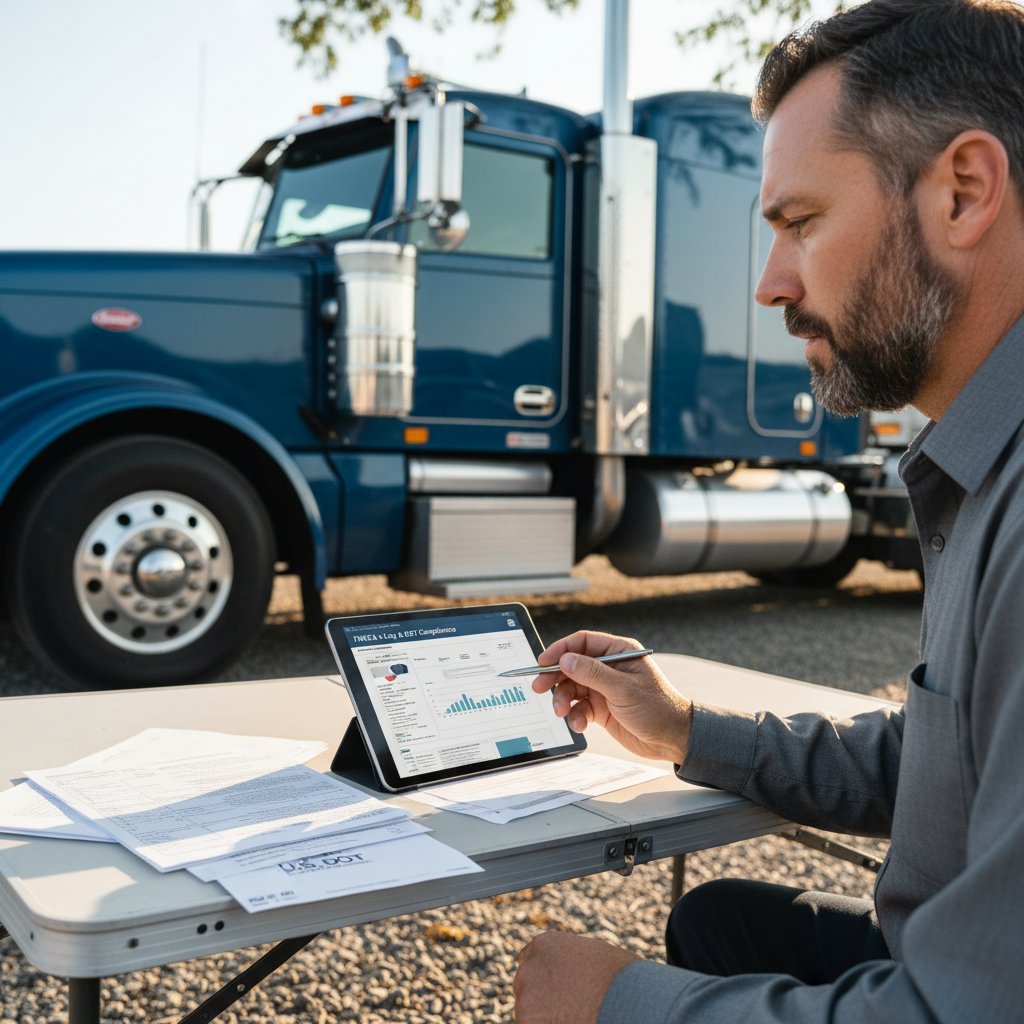
Does commercial auto insurance cover personal use? Sometimes—if your permitted-use wording, drivers, and endorsements allow it. Use this 2026 checklist to avoid denied claims.
Does commercial auto insurance cover personal use? It can, but only when your policy’s permitted-use wording, driver eligibility, and any required endorsements allow it—otherwise a claim can be denied or heavily disputed.
Most “personal use” problems aren’t about someone doing something crazy. They happen because the policy was written and rated for one type of use (business-only, service, delivery, etc.) and the loss occurred during another. The goal of this guide is to help you match paperwork to real life before a claim tests it.
Key Takeaways: Essential “Personal Use” Rules for Commercial Auto
- Commercial auto may cover personal use only if the policy’s permitted-use wording and underwriting allow it (often limited to incidental personal errands).
- Common denial triggers include undisclosed mixed use, unlisted or ineligible drivers, and business-only classifications that don’t match real operations.
- Employee personal use increases exposure (more miles, more drivers, more after-hours driving) and usually requires tighter controls.
- If employees use their own cars for work, you typically need Hired and Non-Owned Auto (HNOA) liability because a company-vehicle policy doesn’t automatically fill that gap.
Table of Contents
Reading time: 8 minutes
- Commercial vs. Personal Auto: Why This Gets Messy
- When Commercial Auto May Cover Personal Use (Incidental Errands)
- Why Claims Get Denied: Exclusions + Misrepresentation Problems
- Endorsements That Can Expand Personal Use (2026 Breakdown)
- Can Employees Drive Company Vehicles for Personal Use?
- Personal Cars Used for Work: Where HNOA Fits
- Cost Impact: Does Allowing Personal Use Raise Premiums?
- State-Level Considerations (2026): Why It Varies
- 2026 Policy-Audit Checklist (Print This)
- Why Logrock: Practical Insurance Advice for Working Owners
- Frequently Asked Questions
- Conclusion & Next Step
Commercial vs. Personal Auto: Why This Gets Messy
Commercial auto coverage is determined by the declarations, covered auto symbols/schedule, driver eligibility, and permitted-use wording—not by whether a vehicle “looks like” a work truck.
“Personal use” gets tricky because insurance isn’t just about the vehicle. It’s about exposure: who drives, how often, where it’s garaged, what it’s used for, and what the insurer agreed to rate.
What parts of a commercial auto policy control the answer?
- Permitted use / class of use: business-only, service, retail, delivery, mixed use, etc.
- Covered autos: which vehicles are actually covered (scheduled vs. symbols) and what coverages apply.
- Who is an insured: named insured vs. employees vs. permissive users (varies by form/endorsements).
- Driver schedule / eligibility: listed-driver requirements, MVR standards, age rules.
- Garaging location + territory/radius: where it’s kept and where it regularly operates.
- Endorsements and exclusions: the fine print that expands or restricts.
If any of those don’t match reality, that’s when claims turn into arguments.
When Commercial Auto May Cover Personal Use (Incidental Errands)
Commercial auto insurance may cover personal use when the policy’s permitted-use language (and underwriting approval) includes incidental personal use rather than business-only use.
When people say “personal use is fine,” what they usually mean is incidental personal use—small errands that don’t materially change the risk the insurer priced.
1) What “incidental personal use” usually means
Incidental personal use usually means occasional, short personal driving that happens around business driving (not turning the company unit into the family vehicle every weekend).
- Stopping for food or fuel while en route
- A short detour to grab a prescription on the way home from a job
- Driving the vehicle home after the workday
- Parking the unit at home because the yard is full (when disclosed and rated correctly)
2) Why this matters (the business risk)
The risk isn’t the errand—it’s the assumption. If you assume personal use is covered and it’s not, you’re gambling with your liability protection, your physical damage claim, and your renewal.
3) Who should pay extra attention
- Contractors and trades with wrapped trucks/vans
- Small fleets with take-home vehicles
- Hotshot operators using a pickup for both work and personal life
- Owner-operators who switch between under-dispatch, deadhead, and personal use
Pro tip: If the vehicle is truly mixed-use, don’t play word games at application time. Tell your agent exactly how it’s used so it’s rated correctly—because correct rating is cheaper than a denied claim.
Why Claims Get Denied: Exclusions + Misrepresentation Problems
Commercial auto claims are most often denied or contested when the loss facts don’t match the policy’s permitted-use classification, disclosed drivers, garaging location, or business operations described to underwriting.
Denials rarely come from one single issue. They usually come from a mismatch between what underwriting thinks it insured and what actually happened.
1) Personal use exclusion vs. undisclosed change in use
- Business-only means business-only: if your policy excludes personal use, the carrier may dispute coverage when the trip was personal.
- Incidental vs. primarily personal: a policy might tolerate small errands, but not regular weekend family use and higher mileage.
When the insurer believes the risk was materially misrepresented, consequences can include denial (in whole or in part), cancellation/non-renewal, premium re-rating, and—depending on state law and severity—attempts to treat the policy as void.
2) What raises red flags during a claim investigation
- Driver issues: driver wasn’t listed (if required) or doesn’t qualify as a permissive user under the form
- Use pattern issues: time/location/mileage pattern contradicts “business-only”
- Garaging mismatch: vehicle is kept somewhere different than declared
- Operations mismatch: the business description on the policy doesn’t match real operations (example: “artisan contractor” vs. regular deliveries)
3) Two real-world style scenarios (approved vs. denied)
Scenario A (often covered): A listed employee drives a company van from a job site toward the shop, stops for a quick grocery pickup, and gets hit. If incidental personal use is allowed and the driver is eligible, the claim is typically handled subject to limits/deductibles and fault.
Scenario B (often disputed/denied): A company pickup is rated business-only, but the owner uses it for a weekend family trip 120 miles away. After a crash, the insurer finds repeated weekend use and undisclosed territory/mileage. Coverage may be contested based on permitted-use wording and material misrepresentation.
Disclaimer: outcomes depend on your state, carrier, policy form, and specific facts.
Endorsements That Can Expand Personal Use (2026 Breakdown)
Endorsements modify a commercial auto policy’s base terms, and coverage depends on the exact form wording and triggers—not the endorsement’s “common name.”
Bring this table to your agent and ask for plain-English confirmation of what applies to your policy.
| Endorsement (common name) | What it helps with | When it matters | Common limitations / notes |
|---|---|---|---|
| Drive Other Car (DOC) | Can extend certain coverages for a named individual driving some non-owned autos | Owners/executives who regularly drive vehicles not scheduled on the policy | Not a blanket “anything I drive is covered.” Form wording varies (ISO-style examples include CA 99 10, but many carriers use proprietary forms). |
| Named Individual / Individual Named Insured | Can tie certain coverages to a person (not just the business entity) | Closely held businesses where the owner drives multiple autos | Availability varies; certain vehicle types/uses can still be excluded. |
| Employee as insured / broadened insured wording | Clarifies who is an insured while using covered autos | Fleets with multiple employees driving | Doesn’t automatically approve personal use; permitted-use and company rules still control. |
| Medical Payments / PIP (state dependent) | Injury payments that can apply regardless of fault (rules vary by state) | High passenger exposure or states where PIP applies | This addresses injuries, not permitted use; exclusions still apply. |
| Hired and Non-Owned Auto (HNOA) | Protects the business for liability from employee-owned or rented autos used for work | Employees using personal cars for errands, sales calls, bank runs | Usually liability-only for the business; it doesn’t replace the employee’s personal physical damage coverage. |
Where to find this on your paperwork
- Declarations page
- Endorsement schedule
- Exact form numbers for any endorsement (because “DOC” can mean different things)
Can Employees Drive Company Vehicles for Personal Use?
Employees can drive company vehicles for personal use only when the insurer has accepted that use in underwriting and the employer has written rules that control drivers, miles, and permitted trips.
From an underwriting perspective, employee personal use usually increases both frequency and severity exposure: more miles, more after-hours driving, and more variability across drivers.
1) Insurance perspective (coverage + underwriting)
If you want employee personal use, expect questions about:
- Driver list + MVR checks (and sometimes minimum age/experience)
- Where the vehicle is kept (take-home vehicles change the garaging exposure)
- After-hours usage patterns
- Telematics/dash cams (sometimes discounts, sometimes required)
2) Company policy perspective (risk-control checklist)
If you allow personal use, put it in writing. A minimum viable policy should cover:
- Who can drive: employee only vs. spouse/family (this is a huge claims issue)
- What’s allowed: commute only vs. incidental errands vs. weekend use
- Passenger rules
- Alcohol/drug zero tolerance
- Accident reporting steps: same day, photos, police report guidance
- Disciplinary steps for violations
Personal Cars Used for Work: Where HNOA Fits
Hired and Non-Owned Auto (HNOA) liability is designed to protect the business when employees use personal vehicles (non-owned) or rented vehicles (hired) for business errands, and it is typically liability-only.
This is a common small-business gap:
- Your commercial auto covers company vehicles scheduled on the policy.
- Your employee’s personal auto covers their personal car.
But when an employee uses their own car for business—bank run, parts pickup, sales call—your business can still get sued. That’s where HNOA usually comes in.
What HNOA does (plain English)
- Protects the business if the business is liable for an auto accident involving a non-owned or hired auto used for work
- Is usually liability-only (bodily injury/property damage to others)
- Usually does not pay for damage to the employee’s car (that’s typically on the personal policy’s physical damage coverage, subject to deductibles)
State-Level Considerations (2026): Why It Varies
In the U.S., auto insurance is regulated primarily at the state level, so minimum limits, claim-handling rules, and cancellation/non-renewal standards can vary by state.
That’s why you can’t rely on what “worked” for a buddy in another state, or what a prior carrier allowed under different forms.
Key variables that can differ by state
- Claim-handling standards and dispute processes
- Cancellation / non-renewal rules
- Minimum liability limits
- No-fault/PIP structures (injury benefits can work differently)
Practical move: insure the risk based on the garaging state and where the vehicle regularly operates—not just where the LLC is registered.
2026 Policy-Audit Checklist (Print This)
A commercial auto policy-audit checklist reduces coverage disputes by verifying that permitted use, drivers, garaging, territory, and endorsements match actual operations before a loss occurs.
Use this before renewal, before adding a driver, and before you start letting anyone take a vehicle home.
Declarations page checks
- Named insured is correct (LLC vs. individual vs. both)
- All vehicles are correctly listed (VINs/units)
- Garaging locations are accurate
- Territory/radius reflects reality
- Limits/deductibles match contracts and risk tolerance
Permitted-use checks (this is the big one)
- Policy allows incidental personal use, mixed use, or is business-only (confirm in writing)
- If employees take vehicles home, that’s disclosed and accepted by underwriting
- If the owner uses the vehicle personally on weekends, that’s disclosed and accepted by underwriting
Driver checks
- All regular drivers are listed (if required by the carrier)
- Drivers meet underwriting rules (MVR, age, experience)
- Spouse/family drivers are explicitly allowed or explicitly prohibited
Endorsements and exclusions checks
- Endorsements that broaden who/what is covered (DOC, named individual, broadened insured wording)
- Exclusions that restrict personal use or certain business activities
- If employees use personal cars for work, you have HNOA in place
Documentation checks (protect yourself)
- Email or written confirmation from your agent on permitted use
- Keep a copy of declarations + endorsements in company records
- Update the policy when reality changes (routes, drivers, operations)
Why Logrock: Practical Insurance Advice for Working Owners
A useful commercial auto review starts with the declarations page, endorsement schedule, driver list rules, and a simple question: “Does the policy match what we actually do?”
Owner-operators and small fleets don’t have time for paperwork games. The goal isn’t “the cheapest policy.” It’s coverage that responds when something happens.
- Match coverage to real-world use (including personal use if it happens)
- Control drivers and mileage where you can
- Document changes so a claim doesn’t turn into an argument about what you “meant”
Frequently Asked Questions
Commercial auto insurance can cover personal use only when the policy’s permitted-use wording and underwriting approval allow it (often as “incidental personal use”). If the policy is rated as business-only, or the personal use is regular and undisclosed, the carrier can dispute or deny a claim based on exclusions or material misrepresentation. To verify, review the declarations page, driver requirements (listed vs. permissive use rules), garaging/territory, and the endorsement schedule, and then get written confirmation from your agent on what “personal use” means for your specific form.
If your policy allows incidental personal use, an accident during a personal errand is often handled like any other claim, subject to deductibles, limits, exclusions, and fault. If the trip is outside permitted use (for example, the vehicle is classified as business-only) or the driver isn’t eligible, you can face denial, partial denial, premium back-charges, or non-renewal after the claim. After any accident, document where you were going and why, confirm who was driving, and notify your agent/carrier promptly so there’s no confusion about facts.
Many owners need both because commercial auto is designed for business-owned or business-used vehicles, while personal auto is designed for family drivers, personal commuting, and personal vehicles. A commercial policy doesn’t automatically give “personal-style” coverage for every scenario (like family members driving, personal vehicles, or non-owned autos) unless endorsements specifically add it. The right setup depends on who owns the vehicles (individual vs. LLC), who drives them, and how they’re used, and it should be confirmed in writing on the declarations and endorsement schedule.
Employees can drive company vehicles for personal use only if the insurer has accepted that exposure in underwriting and your company has written rules controlling who can drive and what trips are allowed. From an underwriting standpoint, employee personal use increases risk because it adds miles, after-hours driving, and more driver variability. If you allow it, tighten driver controls: run MVRs, confirm eligibility requirements (listed-driver rules, age/experience), and clearly address spouse/family use in writing, since unauthorized drivers are one of the fastest ways a claim becomes disputed.
Endorsements that often come up include Drive Other Car (DOC) and certain named individual or broadened insured endorsements, but the exact coverage depends on the form wording and triggers on your policy. Two endorsements with the same “nickname” can work differently across carriers, and an endorsement that broadens “who is an insured” doesn’t automatically approve personal use if the class of use remains business-only. Ask your agent for the endorsement schedule and form numbers, then request a plain-English explanation of what personal use is permitted and for which drivers.
Conclusion: Match Permitted Use to Real Life
Commercial auto insurance may cover personal use only when permitted-use language, driver eligibility, garaging/territory, and endorsements line up with how the vehicle is actually used.
If take-home vehicles, weekend use creep, or employee errands are happening, get ahead of it at renewal—because after a crash is the worst time to learn what the policy did (or didn’t) allow.
Key Takeaways:
- Permitted-use wording decides most “personal use” outcomes.
- Undisclosed mixed use and driver eligibility issues are the fastest path to claim problems.
- Employee personal use needs written rules and tighter controls.
- HNOA matters if employees use personal cars for business errands.
If you’re not 100% sure your commercial auto allows personal use, fix it now—before a claim turns it into a dispute.